Storytellers
Keep the midnight idea, the scene note, the interview, the quote, and the final draft connected without turning your creative life into folder archaeology.
Quipsly is a production operating system for people whose ideas arrive as notes, sources, calls, clips, books, classes, quotes, photos, and wild little midnight sparks. Capture the raw material, shape it into media and writing, then publish with receipts you can trust.

No more losing the good idea because the system around it was too heavy to open.
Who Quipsly serves
Keep the midnight idea, the scene note, the interview, the quote, and the final draft connected without turning your creative life into folder archaeology.
Turn sessions, frameworks, reflection prompts, client notes, and teaching assets into clear packets you can reuse with care and consent.
Explore coaching captureBuild workshops, courses, quizzes, guides, videos, and handouts from one source trail instead of rebuilding the same lesson in five different tools.
Collect sources, compare evidence, annotate findings, map concepts, and prepare publishable summaries while preserving what came from where.
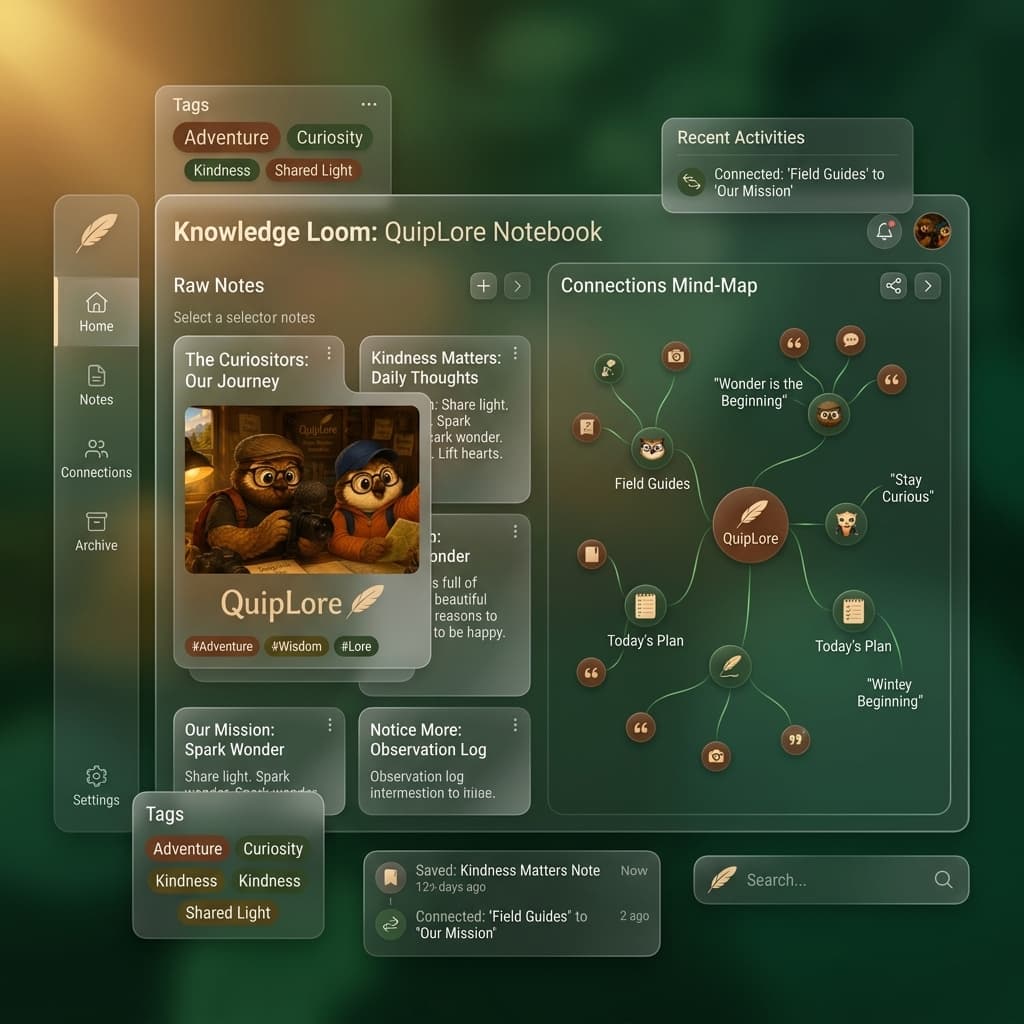
The research layer gathers notes, sources, transcripts, media, citations, observations, and half-formed sparks. It keeps provenance close so an idea can grow without losing its roots.
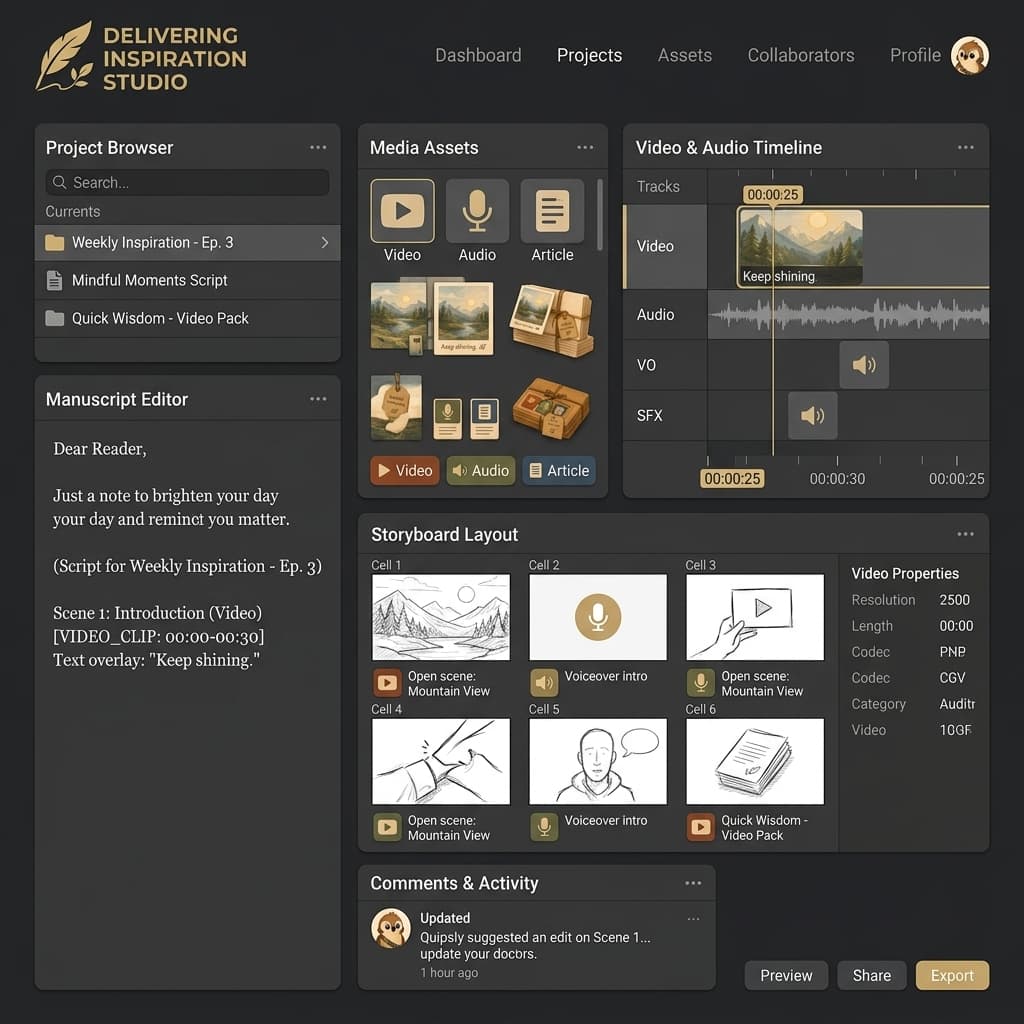
The creation layer turns gathered material into manuscripts, episodes, shorts, courses, scroll stories, coaching tools, quote feeds, galleries, and other finished work.
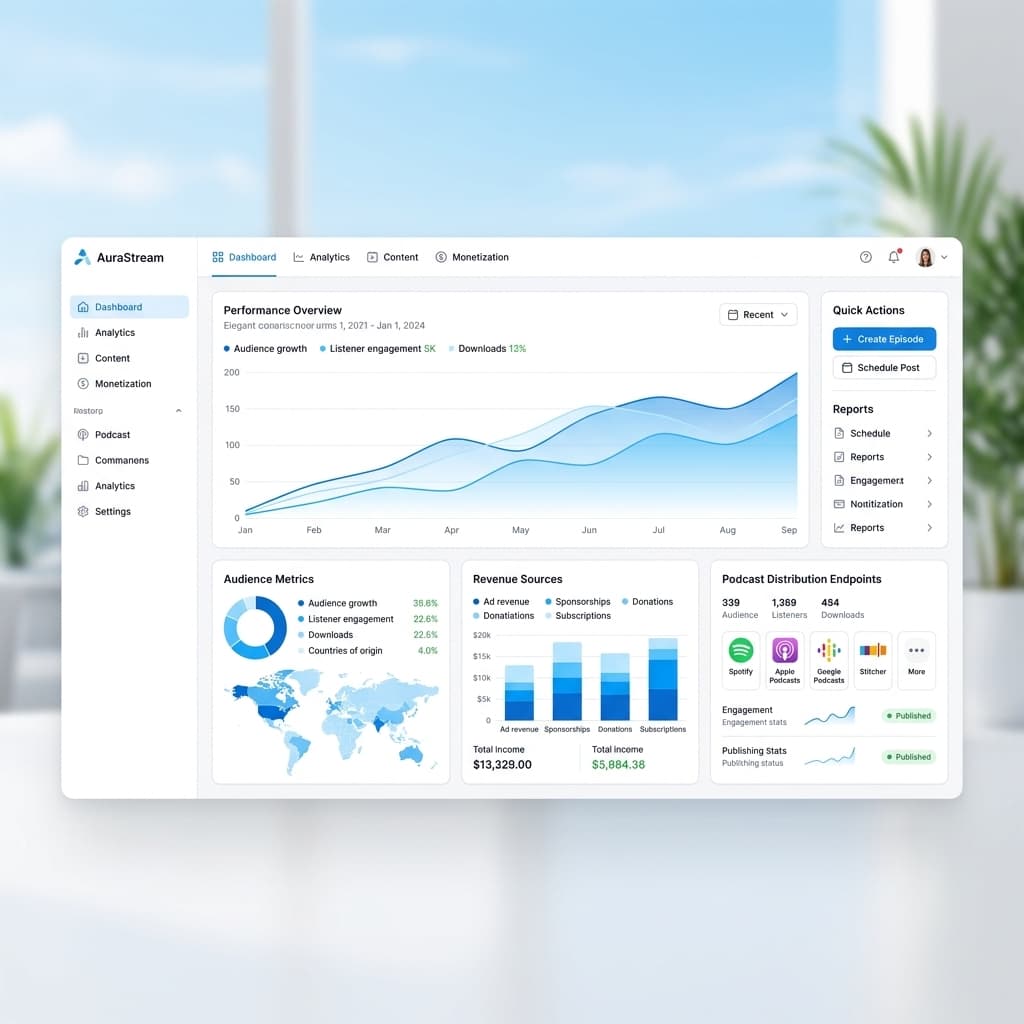
The publishing layer prepares platform packets, calendars, episode pages, social queues, and performance views, then keeps the result connected to the work that created it.
Quipsly is not trying to replace every tool you love. It is trying to make the invisible trail between capture, creation, review, publication, and learning visible enough that you can move without panic.
Record or import an episode, sync the sources, create the long edit, pull shorts, write show notes, prepare platform packets, then track real publication receipts.
Schedule a session, confirm consent, capture clean audio, repair the transcript, then turn the conversation into notes, action items, client-safe packets, and future teaching material.
Write chapters as living documents, tag teachable ideas, turn them into lessons, generate practice prompts, and publish small helpful artifacts from the same source base.
Gather documents, web notes, photos, interviews, and observations, then build annotated packets that can become articles, presentations, training, or decision support.
Keep original media whole, work with proxies and metadata, and make reusable clips, GIFs, galleries, stories, courses, and social posts without copying chaos between tools.
Who the Quipslys are

They fetch references, compare notes, verify attributions, and keep your source trail from wandering into the brambles.
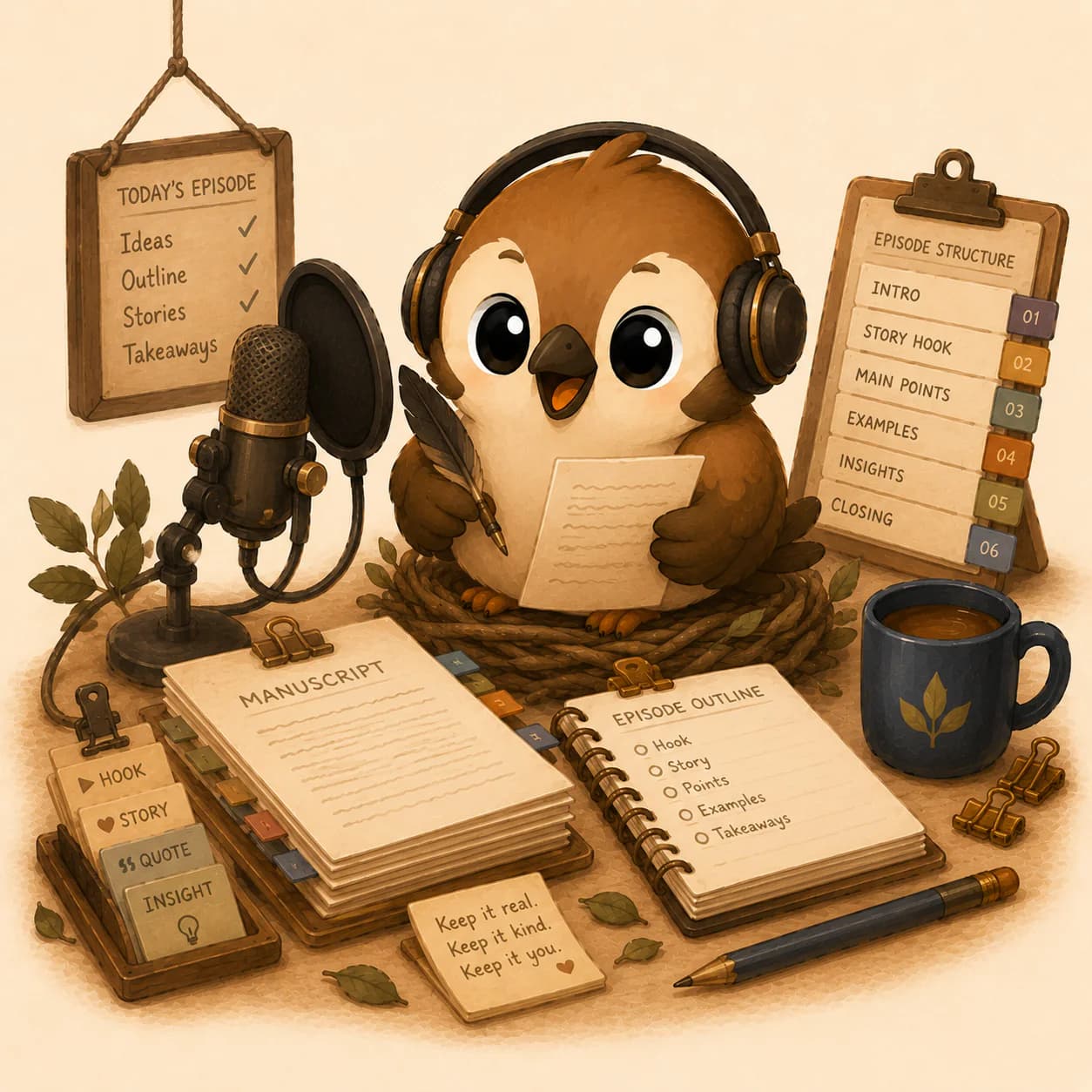
They help organize episodes, media assets, shorts, show notes, review boards, and publishing packets.

They turn frameworks, questions, exercises, and client-safe notes into usable learning moments.

They suggest outlines, drafts, cuts, connections, alternate phrasings, and research packets while leaving the steering wheel in human hands.
AI can be a collaborator, draft partner, librarian, producer, and analyst. Quipsly keeps the sources, drafts, edits, and results easy to understand and change while doing the repetitive work for you.
Read the systems anxiety thesisQuipsly is built to show the trail. A good answer should point back to the note, quote, clip, transcript, image, or decision that shaped it.
A Quipsly can draft, rewrite, summarize, and experiment when invited. The difference is that drafts stay inspectable, labeled, and easy for a human to reshape.
The system helps you see structure, choices, risk, and next steps. It does not hide the work behind a cheerful black box and call that creative progress.
The product should reduce systems anxiety by making state visible: captured, sourced, drafted, reviewed, packaged, scheduled, published, and receipt-backed.
Coaches subscribe. Clients join invited Sessions and collaborate free. Start with every coaching feature for 14 days, then choose monthly or annual billing.
No charge during the trial. Subscriptions renew automatically until canceled. App Store pricing and availability can vary by region.
Monthly
Full flexibility while you build your practice.
Annual · save $59.89
Equivalent to $25 per month, billed annually.
Everything included